Asset Liability
( inspiration )
Client:
Fosters + Partners
Role:
Designer
Timeline:
3 months
Time:
Oct 23' - Dec 23'
( brief )
( research )
( intervention )
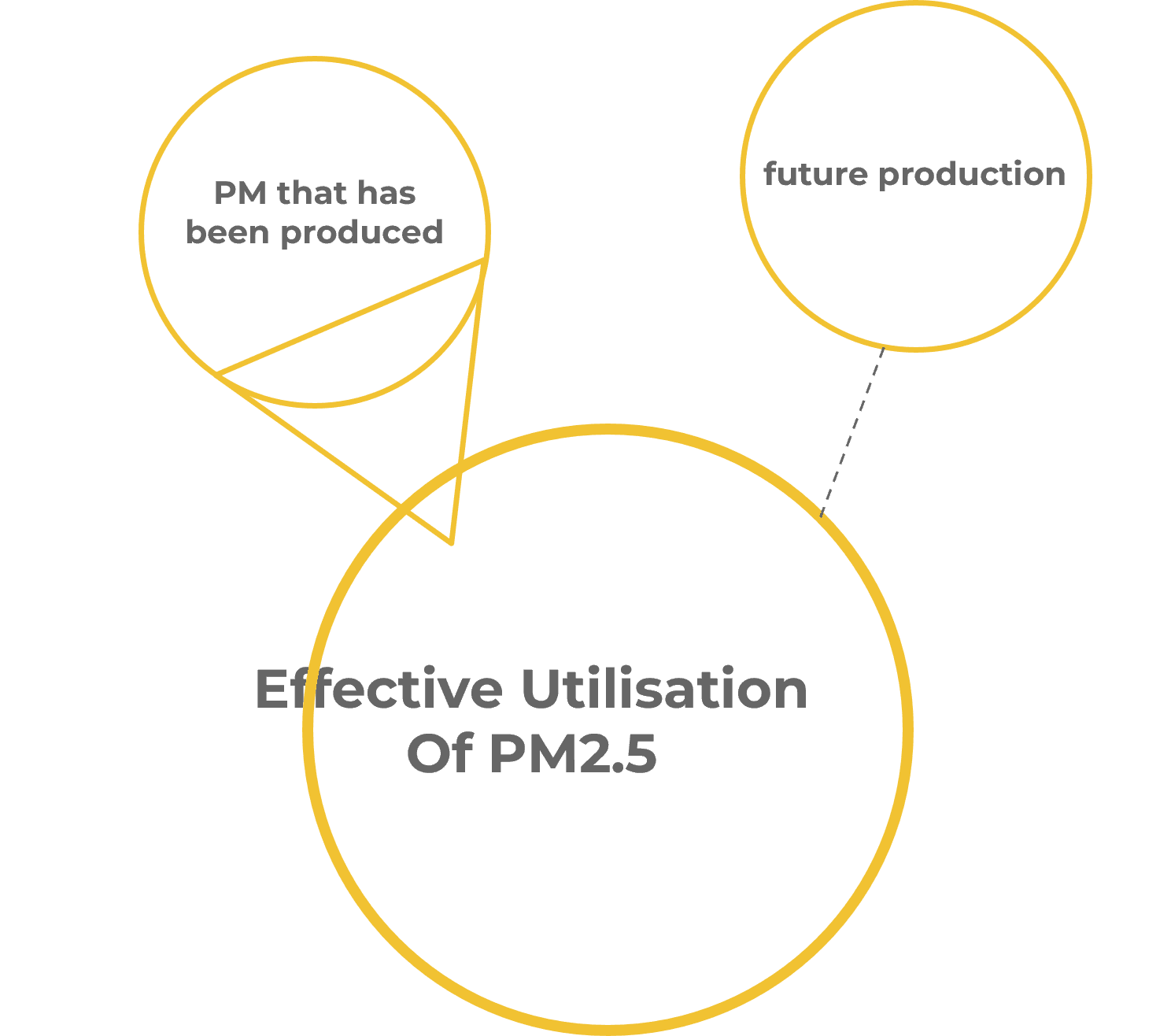
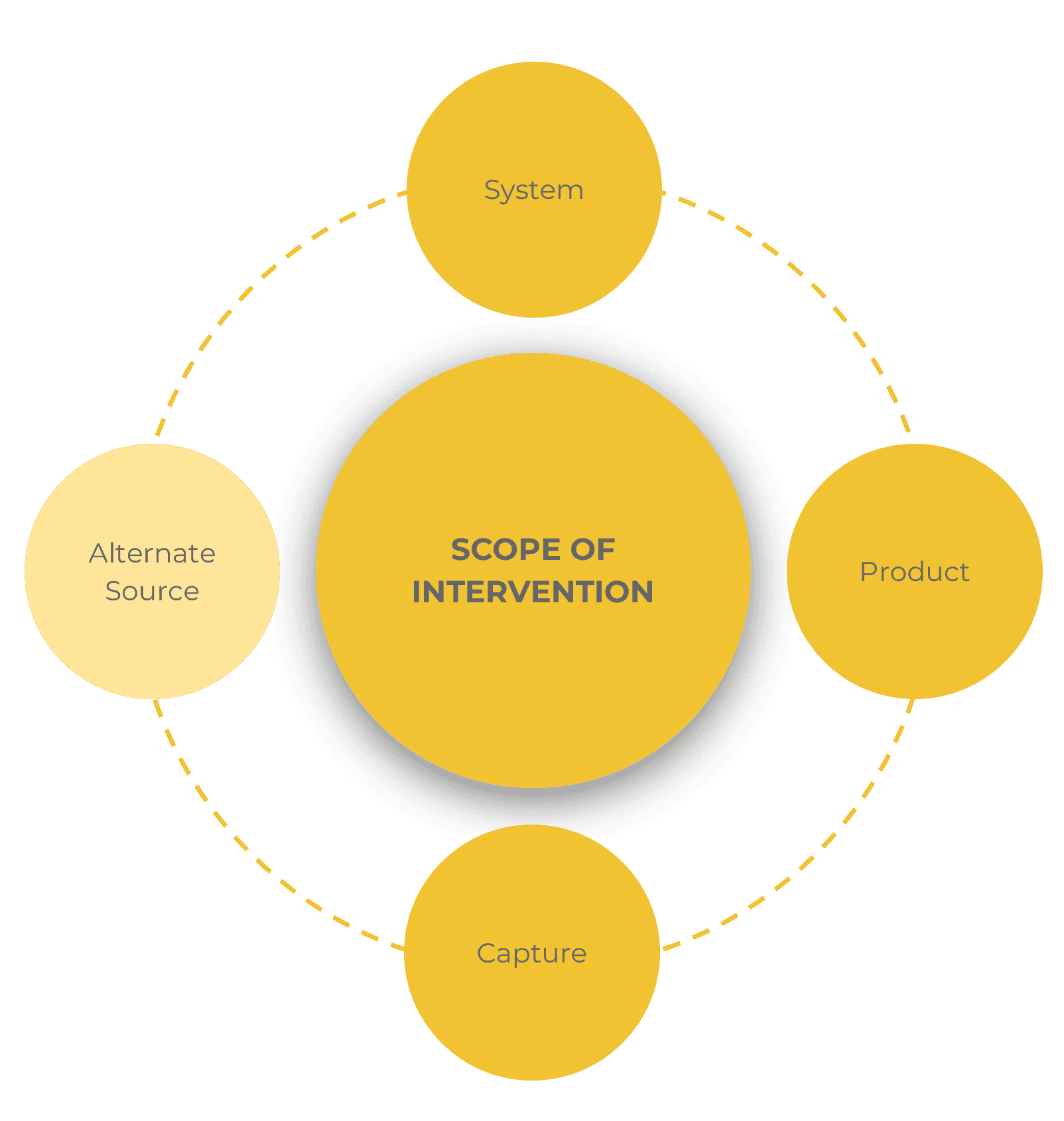
The intervention focuses on the gap between the PM that has already been produced and how PM2.5 can be effectively utilised. It aims to prevent further harm while asking a key question: can something treated as a liability be turned into an asset?
To combat air pollution and promote sustainability, we propose a policy requiring factories install air pollution control devices in small and large scale factories and utilize captured PM in brick production. " From dust to bricks. " approach will improve air quality, minimize waste, and provide a valuable recycled material for construction, fostering a circular economy and a cleaner future.
( Concept )
( system )
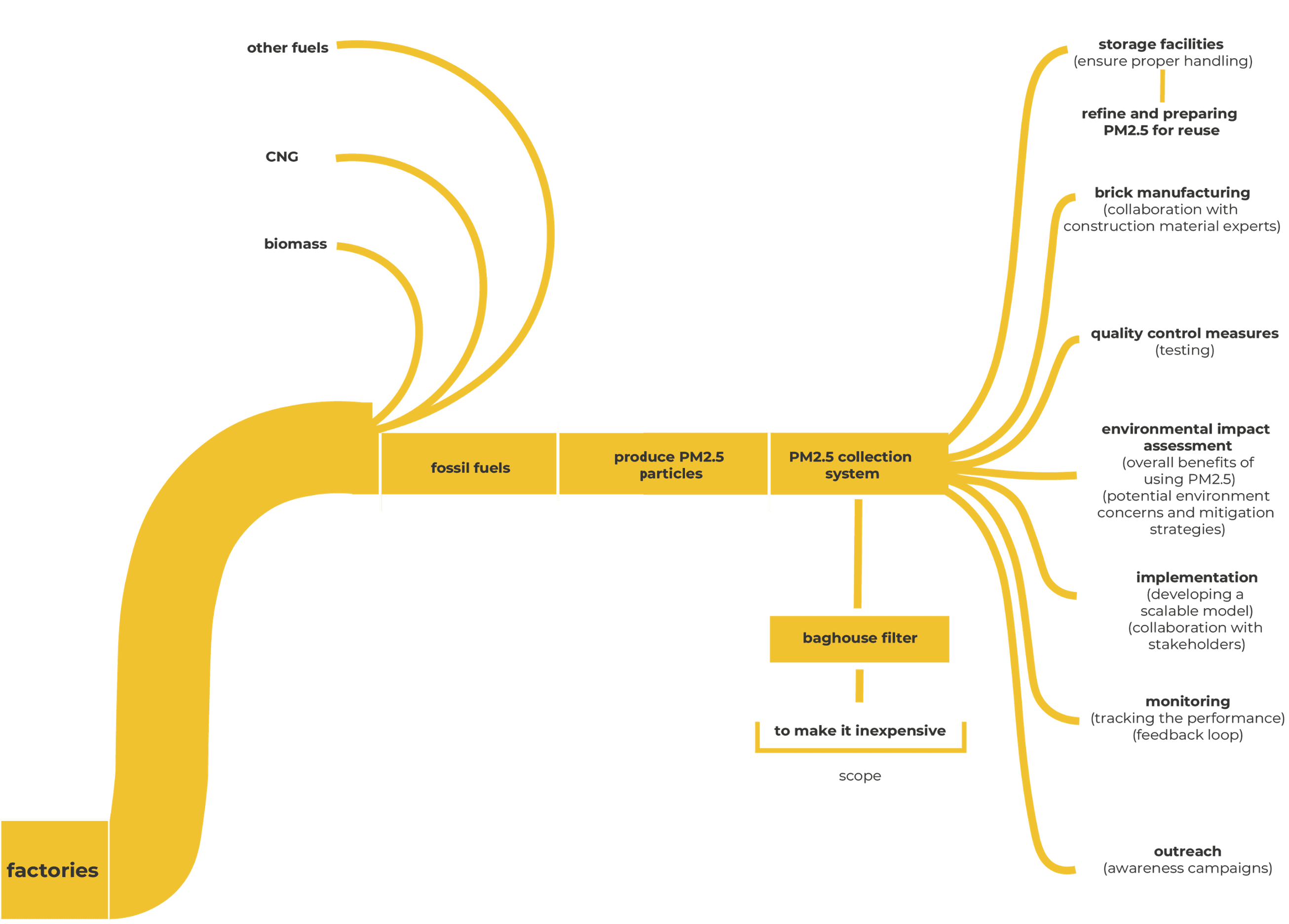
A system developed to streamline the full cycle, from particulate matter collection to brick manufacturing and distribution.
( why baghouse filters in Delhi )
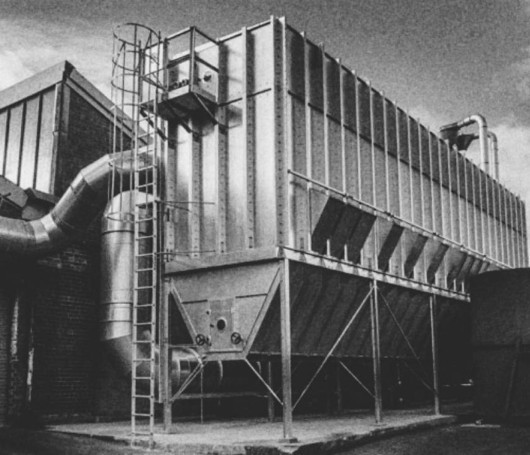
Baghouses capture particles as small as 0.1 micrometers with over 99% efficiency, making them highly effective for India’s PM2.5 problem. They work across various industries, operate dry without needing water, and have lower maintenance demands than ESPs. Their ability to be easily retrofitted makes them a practical upgrade for existing facilities. Baghouses also trap heavy metals, and the collected dust can often be reused, reducing waste and creating added economic value.
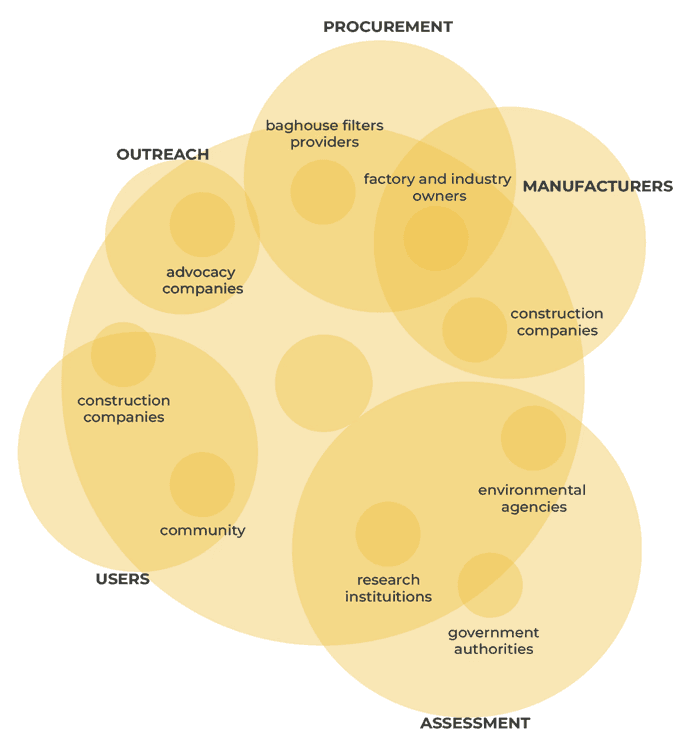
Factories and Industry Owners - Manage costs; improve image; reduce waste disposal.
Construction Companies - New, cost-effective materials; adjust building methods.
Environmental Agencies - Less pollution; monitor system; regulate implementation.
Government Authorities - Show leadership; promote sustainability; manage backlash.
Technology Providers - Increased demand; revenue growth; ensure reliability
.Research Institutions - New funding; research opportunities; provide evidence.
Community Members - Better air quality; less health risk; potential brick concerns.
Non-Governmental Organizations (NGOs) - Advocate cleaner air; promote practices; ensure accountability.
Public Health Organizations - Reduced health risks; monitor long-term brick effects.
Educational Institutions - Research, training; educate future generations; solutions.
( Stakeholder mapping )